


Commercial truck accidents on Georgia’s highways claim lives and cause catastrophic injuries every year. While the massive size difference between an 80,000-pound tractor-trailer and a passenger vehicle explains why these crashes produce devastating outcomes, size alone doesn’t explain why collisions happen. Understanding the common causes of truck accidents in Georgia reveals patterns of negligence, regulatory violations, and preventable failures that put everyone sharing the road at risk.
Most semi-truck accidents result from specific, preventable causes involving driver behavior, trucking company policies, maintenance failures, or cargo problems — not just “bad luck” or unavoidable circumstances.
Calvin Smith Law’s Georgia truck accident attorneys are here to help 24/7 if you or your loved one was injured in an accident. Call us at (404) 842-0999 for a free consultation.
CONTACT US FOR A FREE CONSULTATION
Key Takeaways: Causes of Truck Accidents in Georgia
- Driver fatigue remains a leading cause of truck crashes in Georgia, with hours-of-service violations creating dangerous situations when truckers push beyond federal limits for continuous driving
- Trucking company negligence including inadequate training, pressure to meet unrealistic schedules, and deferred maintenance contributes to preventable accidents throughout the state
- Mechanical failures — particularly brake problems and tire blowouts — cause serious crashes when companies neglect required inspections and maintenance
- Improper cargo loading creates jackknife risks, trailer rollovers, and lost cargo incidents when shippers or trucking companies fail to secure loads properly
- Multiple parties may share liability for Georgia truck accidents, including drivers, trucking companies, maintenance contractors, cargo loaders, and equipment manufacturers
Driver Fatigue and Hours-of-Service Violations
Drowsy driving causes some of the most catastrophic truck accidents on Georgia highways. Federal Motor Carrier Safety Administration (FMCSA) hours of service regulations limit how many hours truckers can drive before mandatory rest breaks, but violations happen frequently when drivers or companies prioritize schedules over safety.
Current federal hours-of-service rules allow truck drivers to operate for 11 hours after 10 consecutive hours off duty. Drivers cannot exceed 14 consecutive hours on duty, and must take a 30-minute break after eight cumulative hours driving. Weekly limits cap driving hours for truckers in Georgia at 60 hours over seven consecutive days or 70 hours over eight consecutive days.
Electronic logging devices now track compliance, but violations still occur when:
- Drivers falsify logs or manipulate ELD data
- Companies pressure drivers to meet unrealistic delivery schedules
- Truckers push through fatigue to maximize income
- Dispatchers ignore rest requirements to meet customer demands
Fatigue impairs reaction time, decision-making, and attention similarly to alcohol intoxication. A drowsy truck driver traveling at highway speeds cannot brake quickly enough to avoid collisions, and their exhaustion puts everyone nearby at risk.
Speeding and Reckless Driving Behavior
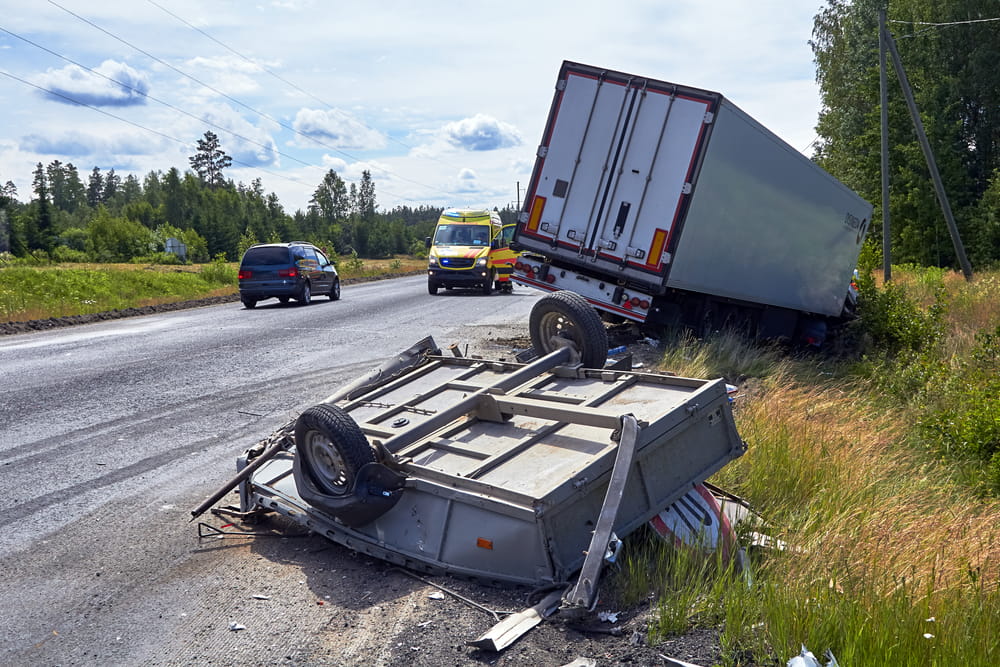
Commercial trucks require significantly longer stopping distances than passenger vehicles, making speed violations particularly dangerous. An 18-wheeler traveling 65 mph needs approximately 525 feet to stop — nearly the length of two football fields. When truckers exceed safe speeds for conditions or drive aggressively, they eliminate the margin for error that prevents crashes.
Speeding violations contribute to Georgia truck accidents in multiple ways:
- Reduced reaction time: Faster speeds give drivers less time to respond to traffic changes, road hazards, or unexpected situations
- Extended stopping distances: Heavy trucks need more distance to brake even under ideal conditions — speed makes stopping nearly impossible
- Increased crash severity: Higher impact speeds produce more catastrophic injuries and property damage
- Loss of control: Speed reduces a driver’s ability to safely maneuver around obstacles or navigate curves
Aggressive driving behaviors, including tailgating, unsafe lane changes, blind spots and failure to yield right-of-way, also cause preventable truck accidents. Following too closely behind passenger vehicles leaves no escape route when traffic slows suddenly.
Distracted Driving and Inattention
Truck drivers spending hours on monotonous interstate routes face constant temptations to use cellphones, adjust GPS systems, eat, or engage in other distracting activities. Federal regulations prohibit commercial drivers from texting while driving and restrict hand-held cellphone use, but violations happen regularly.
Distraction causes truck accidents when drivers:
- Text, email, or browse social media while driving
- Program or adjust GPS and navigation systems
- Eat meals or drink beverages while operating
- Reach for items or adjust controls
- Focus on in-cab technology displays rather than the road
Even brief inattention creates danger at highway speeds. A truck traveling 65 mph covers approximately 95 feet per second. Looking away for just three seconds to read a text means traveling nearly 300 feet without paying attention to the road.
Trucking Company Negligence and Inadequate Training
Trucking companies share responsibility for accidents their drivers cause when inadequate training, negligent hiring, or unsafe company policies contribute to crashes. Federal regulations require companies to verify driver qualifications, provide proper training, and maintain safe operational standards, but profit pressures sometimes override safety commitments.
Negligent Hiring and Supervision
Trucking companies must verify that drivers hold valid commercial driver’s licenses, check driving records, conduct drug and alcohol testing, and ensure drivers meet medical fitness standards. When companies skip these requirements or hire drivers with poor safety records to fill empty seats, they create foreseeable crash risks.
Inadequate supervision also causes accidents when companies:
- Fail to monitor driver performance and safety records
- Ignore patterns of violations or customer complaints
- Neglect to provide remedial training after incidents
- Allow unsafe drivers to continue operating
Pressure to Meet Unrealistic Schedules
Trucking companies that establish delivery schedules requiring drivers to violate hours-of-service rules share liability when fatigue causes crashes. Similarly, companies that penalize drivers for late deliveries or tie compensation to speed create incentives that prioritize schedules over safety.
Poor Maintenance and Mechanical Failures
Federal regulations require trucking companies to inspect and maintain vehicles regularly, but deferred maintenance and neglected repairs cause serious accidents throughout Georgia. Brake failures, tire blowouts, lighting malfunctions, and steering problems all create crash risks when companies cut corners on maintenance costs.
Brake System Failures
Brake problems contribute to a significant percentage of truck accidents in Georgia. Air brake systems require regular inspection, adjustment, and replacement of worn components. When companies neglect brake maintenance:
- Stopping distances increase dramatically
- Brake fade occurs during extended downhill travel
- Complete brake failures leave drivers unable to stop
- Emergency brake systems may also fail if poorly maintained
Tire Blowouts and Defects
Commercial truck tires endure tremendous stress from heavy loads and long distances. Worn tread, improper inflation, overloading, and manufacturing defects all contribute to blowout risks. When tires fail at highway speeds:
- Drivers lose control of vehicles
- Debris scatters across multiple lanes
- Jackknife and rollover accidents become likely
- Other vehicles swerve to avoid tire fragments
Proper tire maintenance requires regular inspections, pressure monitoring, tread depth measurements, and timely replacements. Companies that defer tire maintenance until catastrophic failures occur face liability for resulting crashes.
Inadequate Vehicle Inspections
Federal regulations require daily pre-trip inspections and periodic comprehensive inspections. These requirements exist because early detection of mechanical problems prevents roadside failures and crashes. When trucking companies pressure drivers to skip inspections or ignore maintenance needs, minor problems escalate into major failures.
Improper Cargo Loading and Securement
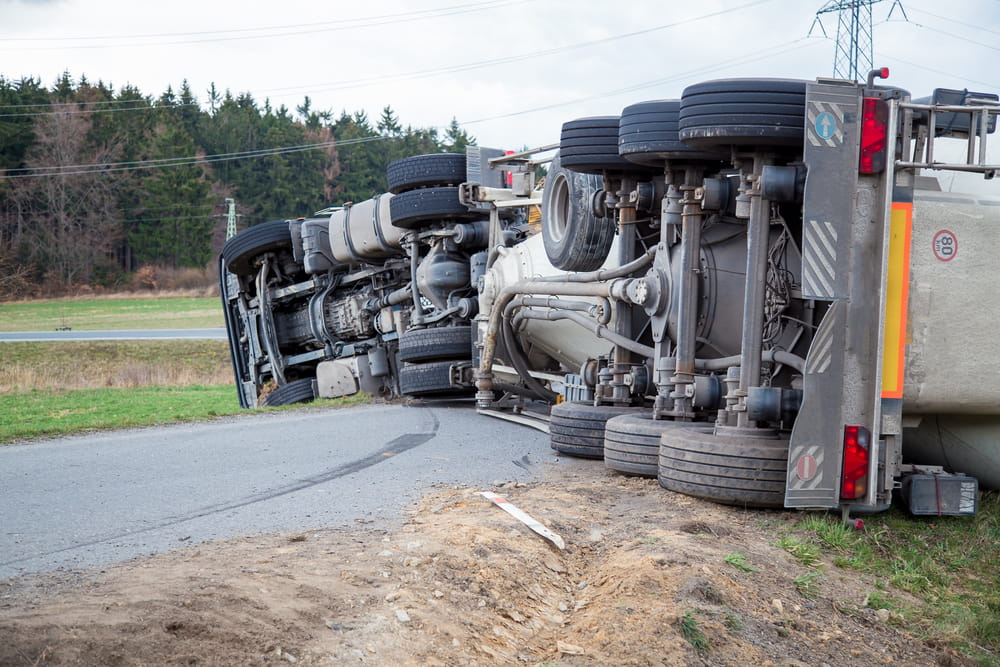
How cargo gets loaded onto trailers directly affects vehicle stability, weight distribution, and crash risks. Overloaded trailers, improperly secured cargo, and unbalanced loads all contribute to Georgia truck accidents through several mechanisms.
Cargo Weight and Distribution Problems
Federal regulations limit truck weights to 80,000 pounds gross vehicle weight on interstate highways. Overloaded trucks:
- Require longer stopping distances
- Create excessive stress on brake systems
- Damage road surfaces and bridges
- Become harder to control, particularly during turns
Weight distribution matters as much as total weight. Cargo loaded too far forward, backward, or to one side creates handling problems and rollover risks. Professional cargo loaders understand weight distribution requirements, but rushed loading or inexperienced personnel create dangerous situations.
Unsecured and Shifting Cargo
Cargo that shifts during transport destabilizes trucks and creates jackknife risks. Load securement regulations require specific numbers and types of tie-downs based on cargo weight and characteristics. When shippers or trucking companies fail to secure loads properly:
- Sudden weight shifts during turns cause rollovers
- Cargo spills onto roadways, creating hazards for other vehicles
- Drivers lose control trying to compensate for shifting loads
- Trailer doors open and release cargo unexpectedly
Flatbed trucks carrying construction materials, machinery, or other exposed cargo require particular attention to securement. Improperly secured items becoming projectiles at highway speeds create catastrophic crash risks.
Inexperienced and Undertrained Drivers
Operating an 18-wheeler safely requires specialized skills, knowledge, and judgment that come only through proper training and experience. The commercial trucking industry faces persistent driver shortages that sometimes lead companies to put inadequately trained drivers behind the wheel.
New truck drivers need comprehensive training covering:
- Vehicle control and maneuvering
- Defensive driving techniques
- Hours-of-service compliance
- Pre-trip inspection procedures
- Cargo securement requirements
- Emergency response protocols
- Weather-related safety considerations
When trucking companies provide minimal training and push new drivers onto routes before they’re ready, accidents become predictable outcomes. Inexperienced drivers struggle with challenges that experienced truckers handle routinely, such as backing into loading docks, navigating tight urban streets, managing speed on downgrades, and responding to unexpected traffic situations.
Road Conditions and Environmental Factors
While most truck accidents result from driver error, company negligence, or maintenance failures, road conditions and weather sometimes contribute to crashes. However, professional truck drivers receive training to handle adverse conditions, and companies must ensure that drivers adjust their operations accordingly to weather and road hazards.
Weather-Related Crashes
Rain, fog, ice, and high winds all create hazards for commercial trucks. Responsible trucking companies and drivers:
- Reduce speeds during adverse weather
- Increase following distances when visibility drops
- Pull over when conditions become too dangerous
- Monitor weather forecasts and plan routes accordingly
Weather rarely causes truck accidents alone — driver decisions about speed and following distance determine whether conditions lead to crashes.
Work Zones and Construction Areas
Georgia’s highways frequently feature construction zones requiring lane closures, reduced speeds, and increased attention. Truck drivers who fail to slow down, follow too closely in construction traffic, or ignore work zone warnings cause preventable accidents that endanger construction workers and other motorists.
Who Can Be Held Liable for Georgia Truck Accidents

Multiple parties often share responsibility for truck accidents in Georgia. Identifying liable parties is crucial because it determines the available compensation sources and ensures that everyone who contributed to the crash is held accountable.
Potentially liable parties include:
- Truck drivers: For violations, negligent driving, or regulatory non-compliance
- Trucking companies: For inadequate training, maintenance failures, or unsafe policies
- Cargo loaders and shippers: For improper loading or securement failures
- Maintenance contractors: For negligent repairs or inspections
- Parts manufacturers: For defective components that cause mechanical failures
- Leasing companies: For providing poorly maintained equipment
Determining trucking company liability requires investigation of hours-of-service logs, maintenance records, driver qualification files, electronic logging device data, and cargo loading documentation. Experienced truck accident attorneys work with accident reconstruction specialists, trucking industry experts, and engineers to establish how accidents happened and which parties share fault.
Frequently Asked Questions About Causes of Truck Accidents in Georgia
How Do Black Box Data Recorders Help Prove Truck Accident Causes?
Electronic control modules in commercial trucks record speed, braking, engine performance, and other data before crashes. This “black box” information provides objective evidence about whether drivers exceeded safe speeds, attempted emergency braking, and how the vehicle was operated moments before impact. Preserving this data requires immediate action, as some systems overwrite information after short periods.
What Evidence Proves a Trucking Company Was Negligent in Georgia?
Key evidence includes hiring practices, training records, maintenance logs, driver qualification files, and company safety ratings. Patterns of deferred maintenance, inadequate training programs, pressure to violate hours-of-service rules, or failure to address known safety issues all demonstrate company negligence. Federal Motor Carrier Safety Administration inspection reports provide additional proof of company-wide problems.
Can Weather or Road Conditions Eliminate Trucking Company Liability?
Weather and road conditions rarely eliminate liability completely. Professional truck drivers must adjust operations for adverse conditions, and companies must ensure drivers have the training and authority to slow down or stop when dangerous conditions develop. Liability remains if a trucking company pressured a driver to continue in unsafe weather or the driver failed to reduce speed appropriately.
How Do Hours-of-Service Violations Get Discovered After Truck Accidents?
Investigators examine electronic logging devices, fuel receipts, toll records, shipping documents, GPS data, and cellphone records to verify driver activities. Discrepancies between different data sources reveal violations. Witnesses at truck stops, restaurants, or delivery locations may also provide information about driver fatigue or rushed schedules.
What Makes Brake Failures in Trucks So Dangerous Compared to Car Brake Problems?
Commercial truck air brake systems differ from passenger vehicle hydraulic brakes, and the enormous weight of loaded trucks means any brake degradation creates disproportionate risks. Brake fade, improper adjustment, worn components, or air system leaks reduce stopping ability dramatically. Unlike cars, where partial brake failure might still provide some stopping power, truck brake problems escalate quickly to complete failures that eliminate all safety margins.
Protect Your Rights After a Georgia Truck Accident

Understanding the common causes of truck accidents in Georgia helps injured victims and their families recognize when negligence played a role in their crashes. Driver fatigue, speeding, distracted driving, maintenance failures, and improper loading all represent preventable causes that justify holding responsible parties accountable.
If you or a loved one suffered injuries in a Georgia truck accident, the answer depends on the circumstances. What to do after a truck accident starts with contacting Calvin Smith Law — we investigate the causes, identify liable parties, and fight for fair compensation. Our Atlanta truck accident attorneys handle claims throughout Georgia with no fees unless we recover compensation for you. Call us at (404) 842-0999 or contact us today for a free consultation about your truck accident claim.