


Calvin Smith Law represents injured workers from Macon’s manufacturing plants, medical facilities, construction sites, and warehouses, fighting insurance companies that deny legitimate claims or cut off benefits after workplace accidents. Our Macon workers’ comp attorneys file WC-14 forms, appeal denials, handle hearings before administrative law judges, and negotiate settlements that account for permanent injuries affecting your ability to earn a living in Middle Georgia.
Workplace injuries disrupt every aspect of life. Medical bills mount while paychecks stop, and insurance adjusters pressure you to accept inadequate settlements or return to work before healing. Our attorneys protect your rights under Georgia workers’ compensation law, securing temporary total disability benefits, medical treatment authorization, and permanent partial disability ratings that reflect your actual limitations.
Call (478) 216-2210 today for your free consultation with a Macon workers’ compensation lawyer.
Key Takeaways About Macon Workers’ Compensation
- Reporting injuries within 30 days and filing WC-14 forms within one year protects your right to medical treatment and wage benefits.
- Insurance companies must provide panels with at least six physicians, and you can change doctors once without permission.
- Benefits include two-thirds of average weekly wages during recovery, plus all medical expenses and mileage reimbursement.
- Settlement values depend on impairment ratings, future medical needs, and whether you can return to similar-paying work.
- Free consultations with contingency fees mean you pay nothing unless benefits are recovered.
Why Choose Calvin Smith Law for Your Macon Workers’ Comp Case
 Calvin Smith Law combines experience with specific knowledge of Georgia’s workers’ compensation system, providing Macon’s injured workers with representation that matches insurance company resources.
Your workplace injury requires immediate legal intervention when insurance companies controvert claims, schedule independent medical exams, or put pressure on authorized treating physicians to release you prematurely. We respond within hours to benefit denials, filing appeals, and requesting emergency hearings that protect your income and medical care.
Our Macon workers’ compensation practice focuses on comprehensive recovery beyond basic workers’ comp benefits. Equipment defects, third-party negligence, and premises liability often contribute to workplace accidents, creating additional claims worth substantially more than workers’ comp alone. While workers’ compensation provides medical care and partial wage replacement, these third-party claims offer wage loss, pain and suffering, and punitive damages when appropriate.
The firm’s round-the-clock availability means reaching an attorney when crises arise, like employers threatening termination, insurers stopping checks without warning, or emergency surgery needs requiring immediate authorization. This accessibility, combined with offices throughout Georgia, provides the support injured workers need during recovery.
What Benefits Can I Get Under Georgia Workers’ Comp?
 Georgia workers’ compensation benefits extend beyond basic medical coverage. Your benefits begin with complete medical care related to work injuries, including emergency treatment, surgeries, physical therapy, prescriptions, and medical equipment. All without copays or deductibles when properly authorized through the workers’ comp system.
Wage replacement depends on your inability to work and earnings before injury. The system calculates your average weekly wage (AWW) using the 13 weeks before injury, including overtime, bonuses, and other compensation. This AWW determines all monetary benefits throughout your claim.
Income Benefits and Disability Payments
Georgia provides different benefit levels based on how injuries affect work capacity. The relationship between these benefits and your recovery timeline determines total compensation available through workers’ compensation.
Income replacement benefits available to injured workers include:
- Temporary Total Disability (TTD): Two-thirds of AWW when unable to work any capacity, maximum 400 weeks for most injuries except catastrophic cases.
- Temporary Partial Disability (TPD): Two-thirds of wage difference when working light duty earning less, limited to 350 weeks maximum.
- Permanent Partial Disability (PPD): Scheduled weeks based on body part and impairment percentage after reaching maximum medical improvement.
- Permanent Total Disability: Lifetime benefits for catastrophic injuries including paralysis, severe brain damage, or total blindness.
- Death Benefits: Funeral expenses plus weekly benefits for surviving spouse and dependent children.
Additional compensation includes mileage to medical appointments at IRS rates, job retraining when unable to return to previous work, and home modifications when injuries require accessibility changes.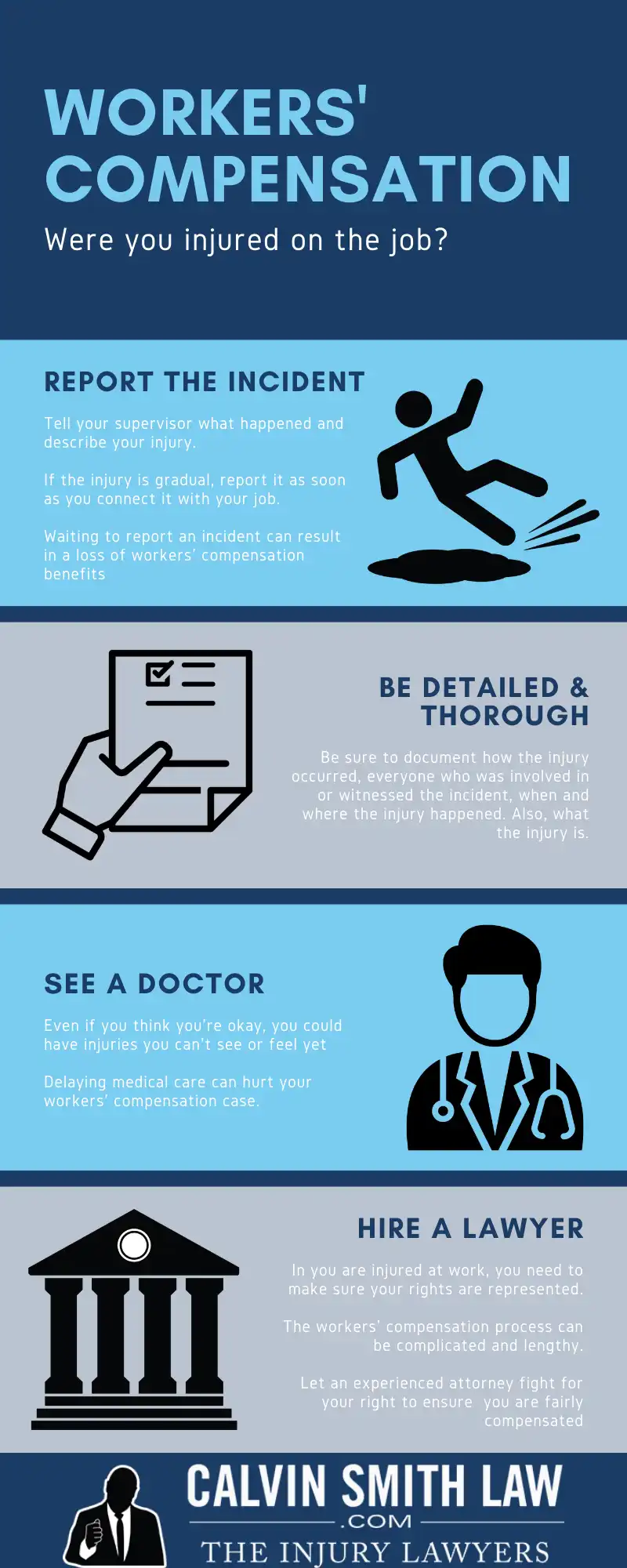
How Do I File a WC-14 with the Georgia SBWC?
 The WC-14 form initiates your official workers’ compensation claim, but successful claims require more than just paperwork submission. Preparation before filing strengthens your position against insurance company challenges and technical defenses that deny legitimate injury compensation.
Begin by documenting everything about your injury immediately after it occurs. Write detailed descriptions of how the accident happened, what safety equipment was present or absent, and which coworkers witnessed events. Photograph injury sites, damaged equipment, and visible injuries before bruising fully develops. Save text messages with supervisors, emails about safety concerns, and any written policies relevant to your accident.
Your employer must receive notice within 30 days, preferably in writing with confirmation of receipt. This notice should identify injured body parts specifically, and include the date, time, location, and mechanism of injury with enough detail that someone investigating weeks later understands exactly what occurred.
Can I Choose or Change My Workers’ Comp Doctor?
Your choice of authorized treating physician (ATP) dramatically impacts both medical recovery and claim outcome. Georgia law requires employers to post valid panels before injuries occur, and defective panels (those with fewer than six doctors or missing required specialists) may allow you to choose any physician.
The posted panel must include at least six physicians with appropriate specialties for common workplace injuries. For instance, manufacturing facilities need orthopedic surgeons for musculoskeletal injuries, while chemical plants might require pulmonologists for respiratory conditions. You select one physician from this panel as your ATP, and workers’ compensation covers all treatment they provide or authorize.
Switching Treating Physicians
Georgia permits one ATP change without requiring permission or stating reasons. This valuable right allows switching when your first choice provides inadequate care, lacks experience with your injury type, or seems influenced by insurance company pressure. Strategic use of this change could improve treatment quality and claim outcomes.
Seeking additional changes requires proving valid reasons to the State Board. Grounds justifying further ATP changes include refusal to prescribe necessary medications, premature work releases contradicted by symptoms, failure to order diagnostic tests despite ongoing problems, or geographic barriers creating treatment hardship. Independent medical evaluations from your personal physicians, though not covered by workers’ comp, may provide evidence supporting these change requests.
What If My Claim Was Denied or My Checks Stopped?
 Sudden benefit termination or claim denial creates an immediate financial crisis while you’re already dealing with painful injuries. Insurance companies deny claims for countless reasons, but each denial requires a swift response to protect your rights.
Denial letters from insurance carriers must specify reasons for rejecting claims or stopping benefits. Technical denials focus on missed deadlines, improper notice, or form errors that might be correctable. Medical denials dispute whether injuries occurred at work, argue conditions preexisted employment, or claim current symptoms aren’t related to workplace accidents. Conduct-based denials allege horseplay, intoxication, or willful misconduct that Georgia law excludes from coverage.
Your response strategy depends on the type of denial and available evidence. Appeals follow specific procedures with strict deadlines measured in days, not weeks. Your attorney may request hearings immediately upon denial, since waiting could risk permanent claim closure. While awaiting the hearing, you will need to gather supporting evidence like medical records, witness affidavits, employment documents, and expert opinions, when necessary, that contradict the denial.
How Are Georgia Workers’ Comp Settlements Calculated?
Workers’ compensation settlements require balancing immediate financial needs against future medical expenses and permanent limitations affecting your earning capacity. Unlike personal injury settlements that consider pain and suffering, workers’ comp settlements focus on medical costs, disability ratings, and vocational impact.
The settlement process begins after reaching maximum medical improvement (MMI), when your ATP determines further treatment won’t significantly improve your condition. This triggers permanent partial disability rating using AMA Guides, assigning percentages that translate to specific benefit weeks under Georgia law. A 10% back rating provides 30 weeks of PPD benefits, forming the settlement starting point.
Settlements typically eliminate future medical rights in exchange for lump sums, meaning you cannot reopen claims if conditions worsen. This finality makes proper valuation essential, sometimes requiring life care planners who project lifetime medical costs and vocational experts who assess earning capacity loss.
Light Duty and Return-to-Work Restrictions
 Light duty provides modified work assignments that accommodate medical restrictions while allowing employees to remain productive during recovery. These positions typically involve less physically demanding tasks than regular job duties, such as answering phones, filing paperwork, conducting inventory counts, or quality inspections that fall within your physician’s prescribed limitations.
When your ATP releases you for light duty, your employer may offer positions that match your lifting, standing, repetitive motions, or work hours restrictions. Accepting appropriate light-duty changes your benefits from temporary total disability to temporary partial disability, which pays two-thirds of the difference between your pre-injury and light-duty wages. This transition helps maintain workplace connections while recovering, though it does result in lower weekly benefit amounts.
Sometimes physical limitations prevent performing even modified duties, or symptoms worsen despite accommodations. If you cannot perform assigned light-duty tasks within your medical restrictions, document specific problems encountered and inform your employer and treating physician immediately. Your ATP can adjust restrictions based on your capabilities and symptom response to attempted work.
What Is MMI and PPD Rating in Georgia?
 Maximum medical improvement (MMI) marks a critical transition in workers’ compensation claims, shifting focus from healing to permanent disability evaluation. Your ATP determines MMI when medical treatment no longer improves your condition, though insurance companies pressure doctors toward premature MMI declarations that reduce their benefit obligations.
True MMI reflects medical stability, not arbitrary timelines. Continuing symptoms, pending surgeries, or improvement with ongoing therapy indicate MMI hasn’t occurred. Premature MMI declarations provide grounds for changing physicians or obtaining independent evaluations that document continuing treatment needs.
After MMI, physicians assign impairment ratings that determine permanent partial disability benefits. The rating process evaluates range of motion, strength, sensation, and functional capacity compared to “normal” values. A 20% shoulder impairment translates to 60 weeks of PPD benefits, while 15% leg impairment provides 33.75 weeks.
Macon Workers’ Compensation Frequently Asked Questions
Do I Need a Workers’ Comp Lawyer After a Job Injury in Macon?
While not legally required, attorney representation may improve claim outcomes, particularly when facing denials, medical disputes, or settlement negotiations. Additionally, having an attorney handle the legal complexities gives you time to focus on your recovery.
What Deadlines Apply to Georgia Workers’ Comp Claims?
Report injuries within 30 days and file WC-14 forms within one year, though earlier action provides better protection against technical defenses. Missing these deadlines typically bars all benefits regardless of injury severity.
Can I See My Own Doctor for a Work Injury?
Georgia’s panel physician system generally requires employer-selected doctors to provide covered treatment, though defective panels may allow free choice. Your personal physician can provide second opinions that support panel changes or document inadequate treatment.
What Happens If I Get Hurt Again at Work?
New injuries create separate claims with independent benefits, while aggravations of previous injuries may reopen settlements depending on agreement terms. Each situation requires careful analysis to determine the appropriate approach.
How Much Does a Workers’ Comp Lawyer Cost?
Attorneys work on contingency fees set by the State Board, typically a certain percentage of recovered benefits, with no upfront costs or payments unless successful.
Contact a Macon, GA Workers’ Compensation Attorney

Your workplace injury demands immediate action to protect your right to benefits. Calvin Smith Law provides aggressive representation, leveling the playing field against employers and insurance carriers throughout Middle Georgia.
Our Macon workers’ compensation lawyers handle all aspects of your claim, from initial filing through appeals, hearings, and settlement negotiations. When necessary, we coordinate with medical providers, vocational experts, and life care planners to document your claim’s value. This comprehensive approach addresses both immediate financial needs and long-term consequences of workplace injuries.
Contact Calvin Smith Law today at (478) 216-2210 for your free consultation. Available 24/7 with offices throughout Georgia, Tennessee, and Florida, we’re prepared to assist you with your claim. No fees unless we win your case.
Calvin Smith Law – Macon Office
544 Mulberry St Suite 312,
Macon, GA 31201